7 Min Read
Modern oncology has witnessed remarkable breakthroughs in recent decades, and cancer immunotherapy has emerged as one of the most promising innovations in cancer care. Unlike conventional treatments that directly attack tumours, cancer immunotherapy strengthens the body’s immune system so it can recognise and destroy cancer cells. Many patients exploring advanced options often ask whether cancer immunotherapy could be suitable for them and how effective immunotherapy cancer treatment can be in different stages of the disease. Individuals diagnosed with advanced cancers frequently wonder, can immunotherapy cure stage 4 cancer and whether immunotherapy for breast cancer is an effective option. Early consultation with our oncologists in Delhi-NCR can help determine whether cancer immunotherapy is appropriate, especially when patients are evaluating personalised immunotherapy cancer treatment options.
Synopsis
What Is Cancer Immunotherapy?
Cancer immunotherapy is a treatment approach that helps the immune system identify and attack cancer cells. Normally, the immune system protects the body from infections and abnormal cells, but cancer cells often develop mechanisms to evade immune detection. Cancer immunotherapy works by removing these barriers and enhancing the immune response.
Unlike chemotherapy or radiation, cancer immunotherapy does not directly destroy cancer cells through toxic agents. Instead, cancer immunotherapy stimulates immune cells to recognise tumours and eliminate them naturally. This mechanism has made immunotherapy cancer treatment one of the most significant developments in oncology.
Researchers have discovered that certain cancers respond particularly well to cancer immunotherapy, including melanoma, lung cancer, and kidney cancer. Recent studies also highlight growing success with immunotherapy for breast cancer, particularly in specific subtypes. Patients undergoing immunotherapy cancer treatment often experience longer-lasting responses because the immune system continues to monitor and attack cancer cells even after treatment.
How Cancer Immunotherapy Works
The human immune system contains specialised cells designed to detect harmful threats. However, cancer cells often disguise themselves to avoid immune destruction. Cancer immunotherapy helps the immune system overcome this challenge.
There are several ways cancer immunotherapy works:
1. Activating Immune Cells
Certain forms of cancer immunotherapy stimulate immune cells to attack cancer cells more effectively. This strategy improves the body’s ability to respond to tumours and enhances overall immunotherapy cancer treatment outcomes.
2. Blocking Immune Checkpoints
Cancer cells sometimes use checkpoint proteins to deactivate immune cells. Checkpoint inhibitors used in cancer immunotherapy block these signals, allowing immune cells to attack tumours more aggressively.
3. Targeting Specific Cancer Proteins
Some types of cancer immunotherapy use antibodies to identify cancer-specific markers. These therapies help immune cells locate and destroy malignant cells as part of targeted immunotherapy cancer treatment.
4. Training the Immune System
Cancer vaccines are another form of cancer immunotherapy that trains the immune system to recognise tumour antigens. This approach is increasingly being studied for cancer,s including melanoma and immunotherapy for breast cancer.
Because of these mechanisms, cancer immunotherapy can produce long-term responses in certain patients. However, effectiveness varies depending on tumour biology and patient health.
Types of Immunotherapy Cancer Treatment
Several forms of immunotherapy cancer treatment are currently available in clinical practice. Each type of cancer immunotherapy works differently and may be recommended depending on the type and stage of cancer.
Checkpoint Inhibitors
Checkpoint inhibitors are among the most widely used forms of cancer immunotherapy. These drugs release the “brakes” on the immune system, allowing immune cells to attack tumours. Many advanced cancers now respond well to this form of immunotherapy cancer treatment.
Monoclonal Antibodies
Monoclonal antibodies are laboratory-designed proteins used in cancer immunotherapy. They attach to specific molecules on cancer cells and signal immune cells to destroy them. This type of immunotherapy cancer treatment is increasingly used for several cancer types.
Cancer Vaccines
Cancer vaccines represent another form of cancer immunotherapy. Unlike preventive vaccines, these vaccines stimulate the immune system to recognise existing cancer cells. Research continues to evaluate vaccines for cancers, including immunotherapy for breast cancer.
Adoptive Cell Therapy
In this approach, immune cells are collected from a patient, modified in the laboratory, and reinfused to fight cancer. This innovative strategy demonstrates how cancer immunotherapy can harness the body’s own defence system for more effective immunotherapy cancer treatment.
Can Immunotherapy Cure Stage 4 Cancer?
One of the most common questions patients ask is: Can immunotherapy cure stage 4 cancer? The answer depends on several factors, including cancer type, genetic characteristics, and overall health.
In some cases, cancer immunotherapy has produced long-lasting remission even in advanced cancers. For certain patients, immunotherapy cancer treatment can significantly extend survival and improve quality of life. However, when discussing whether immunotherapy can cure stage 4 cancer, doctors emphasise that outcomes vary widely.
Some patients respond exceptionally well to cancer immunotherapy, while others may require combination therapy. Clinical trials continue to explore whether cancer immunotherapy can increase the chances that the answer to whether cancer immunotherapy can cure stage 4 cancer becomes more positive in the future.
Because every case is unique, patients asking if immunotherapy can cure stage 4 cancer should undergo a detailed evaluation with oncology specialists. Consulting our oncologists in Delhi-NCR can help determine whether immunotherapy cancer treatment may provide a meaningful benefit.
Immunotherapy for Breast Cancer
Recent advancements have expanded the role of immunotherapy for breast cancer. While not all breast cancers respond equally, certain aggressive subtypes have shown promising results with cancer immunotherapy.
Researchers have discovered that immunotherapy for breast cancer can be particularly beneficial for triple-negative breast cancer. In these cases, cancer immunotherapy helps immune cells recognise tumour markers and destroy cancer cells more efficiently.
Doctors often combine immunotherapy for breast cancer with chemotherapy or targeted therapies to improve outcomes. This combined approach strengthens the immune response while maintaining the effectiveness of traditional immunotherapy cancer treatment strategies.
Although immunotherapy for breast cancer is not suitable for every patient, ongoing clinical research continues to expand its potential applications. Patients diagnosed with aggressive disease may benefit from discussing immunotherapy for breast cancer with oncology specialists.
Expert evaluation from our oncologists at Manipal Hospitals Delhi-NCR can help determine whether immunotherapy for breast cancer is a suitable treatment option based on tumour characteristics and overall health.
Who Can Benefit From Cancer Immunotherapy?
Not every cancer patient is a candidate for cancer immunotherapy, but many individuals can benefit from this advanced therapy. Eligibility depends on tumour biology, stage of cancer, and immune system function.
Patients who may benefit from cancer immunotherapy include:
-
Individuals with advanced or metastatic cancers
-
Patients who have not responded to conventional therapies
-
Certain patients with lung cancer, melanoma, kidney cancer, or bladder cancer
-
Selected patients are eligible for immunotherapy for breast cancer
Doctors evaluate genetic markers, immune response indicators, and tumour characteristics before recommending immunotherapy cancer treatment. These assessments help determine whether cancer immunotherapy is likely to produce a positive response.
For patients asking if immunotherapy can cure stage 4 cancer, a personalised medical assessment is essential. While cancer immunotherapy has produced remarkable results in some cases, outcomes vary depending on the patient’s condition and cancer type.
Consulting our oncologists in Delhi-NCR allows patients to explore advanced immunotherapy cancer treatment options tailored to their diagnosis.
Potential Benefits and Risks
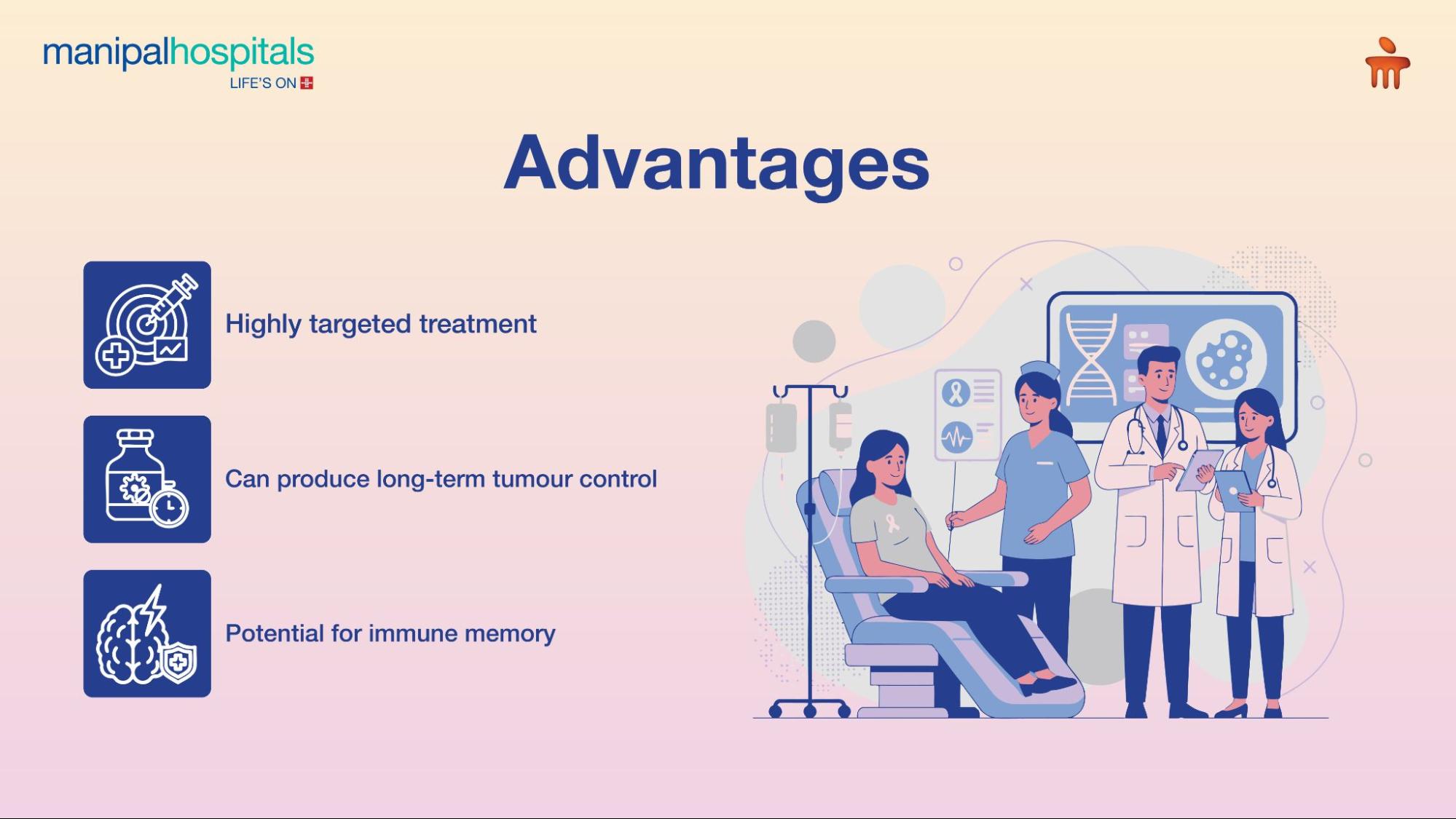
Like any medical treatment, cancer immunotherapy has both advantages and potential side effects. The major advantage of cancer immunotherapy is its ability to produce durable responses by activating the immune system.
Many patients receiving immunotherapy cancer treatment experience fewer side effects compared with traditional chemotherapy. However, immune activation can sometimes cause inflammation in healthy tissues.
Possible side effects of cancer immunotherapy may include fatigue, skin reactions, digestive disturbances, or immune-related inflammation. Doctors carefully monitor patients undergoing immunotherapy cancer treatment to manage these effects.
Despite these risks, the long-term potential of cancer immunotherapy continues to transform cancer care. As research advances, doctors hope that cancer immunotherapy will answer more confidently the question many patients ask: Can immunotherapy cure stage 4 cancer?
Conclusion
Cancer immunotherapy is transforming the way cancer is treated by empowering the immune system to identify and attack cancer cells. This innovative immunotherapy cancer treatment has shown encouraging outcomes for many patients, especially those exploring advanced therapies. Many individuals ask, can immunotherapy cure stage 4 cancer; while results vary, cancer immunotherapy has helped some patients achieve longer survival and better quality of life. Progress in immunotherapy for breast cancer is also creating new hope for patients with specific tumour types. With proper evaluation and personalised care, cancer immunotherapy can become a valuable treatment option for many individuals diagnosed with cancer.
FAQ's
Cancer immunotherapy is a treatment that strengthens the immune system so it can recognise and destroy cancer cells more effectively.
The answer to whether immunotherapy can cure stage 4 cancer depends on cancer type and individual health. In some cases, cancer immunotherapy has produced long-term remission.
Many patients experience fewer side effects with immunotherapy cancer treatment, but cancer immunotherapy can still cause immune-related reactions that require monitoring.
Immunotherapy for breast cancer has shown promising results, particularly in certain aggressive subtypes such as triple-negative breast cancer.
Eligibility for cancer immunotherapy depends on tumour type, stage, and immune markers. An oncologist can determine whether immunotherapy cancer treatment is appropriate.
Share this article on: